Queensbury Tube area removals: Narrow roads solved
Posted on 26/05/2026
Moving near Queensbury Tube can feel straightforward on paper and then suddenly awkward in real life. The roads look fine on a map, but once a van is trying to pass parked cars, tight bends, school-run traffic, or a row of homes with limited kerb space, everything slows down. That is exactly where Queensbury Tube area removals: Narrow roads solved becomes more than a phrase - it is the practical difference between a move that drifts into stress and one that stays calm, efficient, and safe.
This guide explains how local removal planning works around narrow streets, what makes the area tricky, and how to avoid the common problems people only notice on moving day. Whether you are leaving a flat, moving into a family house, or shifting a few heavy items, the right approach can save time, protect your belongings, and spare your nerves. And let's face it, nobody wants to start the day hunting for a parking space with a wardrobe hanging out of the van.
Why Queensbury Tube area removals: Narrow roads solved Matters
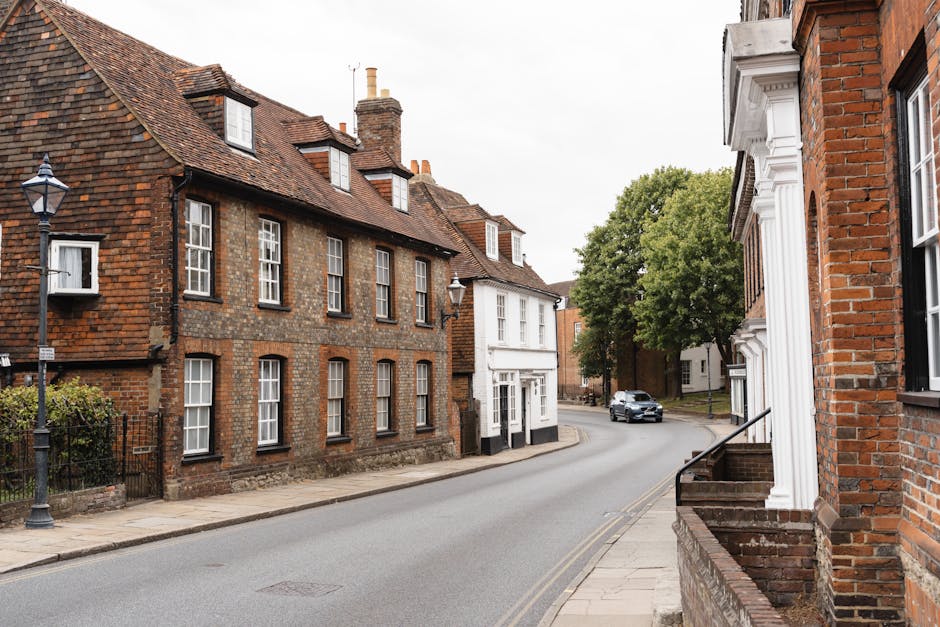
Queensbury sits in a part of north-west London where residential streets, side roads, and transport links create a very local moving puzzle. Around the Tube area, the issue is rarely distance. It is access. A house can be only a few minutes from the station and still present awkward loading conditions, especially where streets are narrow, kerbs are tight, or parking is limited.
For removals, that matters for a few very ordinary reasons. A larger van may not fit comfortably down every road. A small van might fit, but then it may need extra trips. If neighbours are parked close to driveways, unloading gets slower. If lifts are involved in flats, the bottleneck becomes time rather than mileage. In other words, the move is won or lost on planning, not brute force.
This is why local knowledge counts. An experienced team can judge whether a man with a van in Queensbury is the right fit, whether a removal van needs to be sized down, or whether a more structured removal service in Queensbury will be safer and quicker overall. That judgement sounds simple. It usually is not.
The other reason this matters is damage prevention. Narrow roads often force tighter manoeuvres, which increases the chance of clipped mirrors, scuffed furniture, rushed lifting, and frustrated decisions. A bit of forethought avoids all of that. You are not just moving items. You are managing access, timing, people, and property in a compact space.
How Queensbury Tube area removals: Narrow roads solved Works
The idea is simple: reduce the number of things that can go wrong before the van even arrives. In practice, a narrow-road removal around Queensbury usually starts with a survey of access. That might be a quick call, photos, a postcode check, or a discussion about parking, floor level, and item size.
From there, the move is shaped around three questions:
- Can the vehicle safely reach the property?
- Where will loading and unloading happen?
- How will bulky or fragile items be handled without blocking the road?
On busy or tight streets, the best solution is often not the biggest vehicle but the smartest combination of vehicle size, loading timing, and packing discipline. Sometimes that means using a smaller van with more efficient packing. Sometimes it means splitting the move into stages. Sometimes it means arranging a same-day removal so the van can work around a narrow window of access rather than waiting around all afternoon. If timing is tight, same-day removals in Queensbury can be a useful option.
Good packing matters more than people expect. A narrow road move is not the moment to discover loose box flaps or an overstuffed wardrobe bag. If you have not yet sorted your belongings properly, it can help to read the company's guidance on packing for an organised house move and decluttering before moving day. Fewer items, better grouped, means fewer trips through a constrained access point. Simple. But powerful.
In a flat or upper-floor property, the route from door to van can be just as important as the street itself. That is why flat removals in Queensbury often need more careful handling than people assume. A tight hallway plus a tight road can turn an ordinary move into a logistical puzzle. The trick is to prepare the entire path, not only the vehicle.
Key Benefits and Practical Advantages
When narrow roads are handled well, the gains are immediate. You spend less time waiting, less time repositioning, and less time worrying whether the van is blocking somebody's driveway. In a local area like Queensbury, that peace of mind is worth a lot.
Here are the main advantages people usually notice:
- Smoother loading and unloading - fewer awkward handovers and less carrying distance.
- Lower risk of damage - to furniture, walls, railings, and the vehicle itself.
- Better timing - especially useful if you have a move-out deadline or a key handover.
- Less disruption to neighbours - which matters on close residential streets.
- More efficient use of labour - people are moving items, not standing around waiting for space.
There is also a quieter benefit: confidence. Once the access problem is solved, the rest of the day tends to settle. You stop second-guessing every step. The kettle can even stay where it is for a bit longer. Small mercy, but still.
For heavier items, access planning is even more valuable. A piano, for example, is not something you want to manoeuvre around a parked car with guesswork and hope. If that sounds familiar, the practical advice in moving a piano with precision and prevention is worth a read before the big day. Similar logic applies to large beds, wardrobes, and sofas.
Who This Is For and When It Makes Sense
This approach is not only for people living on impossibly tight streets. It is for anyone whose move involves limited access, awkward parking, stairs, large furniture, or a need to keep disruption low. In Queensbury, that can include a broad mix of customers:
- People moving from terraced homes or smaller side roads
- Flat residents dealing with shared entrances or limited stopping space
- Students moving with a few key items and a strict timetable
- Families shifting out of a house with bulky furniture
- Small businesses needing office removals in Queensbury without causing chaos at the kerb
It also makes sense if you have fragile or awkward items that need extra control. A mattress in a narrow hallway, a sofa on a steep front path, or a desk that must be turned side-on at the gate can all benefit from the same sort of planning. If you are moving out of a student property, for example, student removals in Queensbury can be a smart, low-fuss fit when timing is tight and access is awkward.
And if your move is more complex than you expected - which happens, truth be told, all the time - the broader removals in Queensbury service family gives you room to choose the right level of support instead of forcing everything into one box.
Step-by-Step Guidance
If you want a move near Queensbury Tube to run smoothly, follow a simple sequence. Do not skip the boring parts. That is usually where the saving is.
- Assess the access early. Look at road width, parking pressure, turning space, and the walking route from property to van. Take photos if you are unsure.
- Measure the awkward items. Note the width of sofas, beds, wardrobes, and appliances. Check door frames and hall corners too.
- Reduce volume where possible. Declutter before the move so you are not paying to carry things you no longer need. The guide on proven decluttering methods for movers can help here.
- Pack by room and by priority. Keep essentials separate. Label clearly. You will thank yourself later.
- Choose the right transport setup. A smaller vehicle can sometimes outperform a bigger one in tight streets. It depends on the location and load.
- Plan the order of loading. Put the most awkward items where they will be easiest to remove at the destination.
- Protect walkways and furniture. Use blankets, covers, straps, and sturdy boxes. Good packing is not glamorous, but it works.
- Keep communication open. Make sure the mover knows about stairs, gates, permits, timing issues, or low hanging branches before arrival.
One thing people often forget is the route inside the property. A move can fail in the hallway long before it fails on the road. If you are preparing a larger home move, the company's broader advice in sailing through your house move with assurance and ease is a sensible companion piece.
And for items like beds or mattresses, which seem simple until you actually turn them through a narrow landing, it helps to review how to move your bed and mattress properly. That sort of detail saves a lot of awkward shuffling.
Expert Tips for Better Results
Over time, the small details make the biggest difference. Here are the habits that tend to pay off in tight-access moves around Queensbury.
- Visit the street at the same time of day if possible. A road that looks manageable at 10 a.m. may be much tighter at 5 p.m.
- Keep a buffer in your schedule. Even a tidy move can slow down if a neighbour is unloading, a delivery van appears, or someone is stuck behind a badly parked car.
- Use soft items smartly. Blankets, duvets, and cushions can protect awkward surfaces during transit. For larger upholstered items, see sofa storage and soft furnishing care for practical handling ideas.
- Keep one essentials box separate. Important documents, chargers, tea bags, tape, medication, and snacks should never disappear into the main load.
- Ask about storage if the move is split. If keys are delayed or access changes, a temporary solution such as storage in Queensbury can take pressure off the day.
A small human tip: if you are moving in winter, check the pavement and front steps early. A damp, dark morning can make a narrow entrance feel twice as small. Not ideal, obviously.
Also, if you are doing a few items yourself before the movers arrive, do not try to hero it. The note on solo heavy lifting is useful, but the best experts know when to stop lifting and start planning.
Common Mistakes to Avoid
Most narrow-road problems are preventable. The trouble is that people often realise too late which small decision created the big headache.
- Booking the wrong vehicle size. Too large and you cannot access the property easily; too small and you double the workload.
- Assuming parking will sort itself out. It usually does not. A clear stop point is worth arranging in advance where possible.
- Overpacking boxes. Heavy boxes are harder to carry through narrow spaces and more likely to split.
- Ignoring large-item measurements. A sofa that fits in the lounge may still fail at the stair turn.
- Leaving wrapping until the last minute. That is how scratches happen.
- Forgetting the neighbours. A polite heads-up can make access easier and reduce friction on the day.
Another common mistake is treating cleaning as an afterthought. If you are moving out of a compact property, clutter and cleaning issues tend to pile up together. A quick look at prepping your home for the move can help you avoid that last-day scramble with the hoover and bin bags.
And if you are tempted to squeeze in "just one more box", pause. Ask yourself: is it worth making the hallway even more crowded? Usually not. The answer is no.
Tools, Resources and Recommendations
You do not need specialist equipment for every move, but a few tools make a narrow-road relocation much easier. A good mover will already have professional kit. Still, it helps to know what should be on hand.
| Tool or Resource | Why it helps | Best use in a Queensbury narrow-road move |
|---|---|---|
| Furniture blankets | Protects surfaces from scrapes and knocks | Large items moving through tight doorways and along pavements |
| Ratchet straps or load straps | Keeps cargo stable in transit | Useful when the van is packed tightly to reduce trips |
| Sturdy boxes | Makes lifting safer and more predictable | Helps when carrying goods over longer distances from van to door |
| Dolly or trolley | Reduces manual strain | Ideal for appliances, boxed items, and flat paths |
| Clear labels | Saves time on unloading | Important when the van has to be unloaded quickly |
For wider support, it can also help to review the company's general services overview and packing and boxes guidance. Those pages are especially useful if you are still deciding whether to do a partial DIY move or hand most of the job over to a professional team.
If you are comparing movers, also check the practical side of pricing and quotes. In tight-access jobs, the cheapest headline price is not always the best value if the mover lacks the right vehicle or experience for the road layout.
Law, Compliance, Standards, or Best Practice
For most house moves, the key legal and safety considerations are fairly ordinary: safe loading, reasonable vehicle access, responsible parking, and avoiding damage or obstruction. Local streets may have parking controls, loading restrictions, or permit requirements, so it is sensible to check the area rules rather than assume you can stop anywhere for as long as you like.
Good practice also means keeping people safe while lifting and carrying. Removal work should be planned so that awkward loads are shared properly, routes are clear, and the team does not take unnecessary risks. If you want a sense of the standards a responsible operator should follow, the pages on health and safety and insurance and safety are a sensible place to start.
For customers with accessibility needs, it is worth asking in advance how the move will be adapted. That could mean a shorter carry route, a different vehicle position, or more time for a cautious unload. These are not extras in the fussier sense; they are practical adjustments that make the move workable for everyone involved.
Responsible disposal and reuse matter too. If a move involves unwanted furniture, packaging, or old items, a company with a clear approach to recycling and sustainability is usually a safer bet than one that shrugs and says "we'll sort it later".
Options, Methods, or Comparison Table
There is no single best method for every narrow-road move. The right option depends on the size of the load, the street, and how much help you want on the day.
| Option | Best for | Strengths | Limitations |
|---|---|---|---|
| Man and van | Smaller loads, short-distance moves, limited access | Flexible, practical, often easier on narrow streets | May need multiple trips for larger homes |
| Full removal service | Whole-home moves and more complex logistics | More support, better for heavier or more varied loads | Usually more planning required |
| Flat-specific move | Upper floors, shared entrances, compact access routes | Tailored for stairs, lifts, and tight corridors | Can take longer if access is especially constrained |
| Storage plus staged move | Delayed keys, split move dates, renovations | Reduces pressure and avoids last-minute chaos | Needs more coordination |
For many Queensbury households, a flexible man and van service is the sweet spot. For larger homes, though, a full house removals service in Queensbury is often the more efficient choice because the team can plan the load, carry route, and van position as one job rather than improvising each step.
Case Study or Real-World Example
Here is a realistic example. A couple moving from a first-floor flat near the Tube had a sofa, a bed frame, several boxes, and a few awkward kitchen items. The street was narrow enough that two cars parked opposite each other could make access tense, even without a van in the mix. Nothing dramatic. Just one of those normal London streets where everyone is trying to be polite and nobody has enough space.
Instead of sending in the largest possible vehicle, the move was planned around a compact van, a clear arrival window, and pre-packed items by room. The sofa was wrapped in advance, the bed frame was dismantled before collection, and the boxes were grouped so the unload order matched the final room layout. Because the route had been checked beforehand, the team knew exactly where to stop and how long each carry would take.
The important bit is not that everything was perfect. It wasn't. A neighbour's car was still awkwardly placed, and one hallway corner made the bed frame a bit fiddly. But the move stayed controlled because the awkward bits had been anticipated. That is what narrow-road removals are really about: reducing friction before it becomes delay.
If the move had included a piano, they would almost certainly have needed a specialist approach. The same applies to particularly delicate or bulky furniture, which is why local services like piano removals in Queensbury and furniture removals in Queensbury are worth considering rather than trying to wing it. Truth be told, "winging it" and heavy furniture rarely get along.
Practical Checklist
Use this checklist the day before and the morning of your move. It is intentionally simple.
- Confirm the exact collection and delivery address
- Check road access, parking, and any loading restrictions
- Measure large furniture and doorways
- Pack and label boxes by room
- Separate essentials, documents, and valuables
- Wrap fragile items and protect furniture edges
- Clear hallways, stairs, and entry points
- Let neighbours know if vehicle access may be tight
- Keep phone access open for the mover
- Have keys, codes, and contact details ready
- Check if temporary storage might help
- Take final meter readings and photos if needed
If your move has a short turnaround, this is where same-day removals can be especially helpful. Just remember that speed and organisation still have to work together. One without the other gets messy very quickly.
Conclusion
Queensbury Tube area removals are less about brute strength and more about calm, local problem-solving. Once narrow roads, awkward parking, and tight access are planned properly, the whole move becomes more manageable. You carry less stress, protect your belongings better, and avoid the kind of last-minute scrambling that ruins an otherwise decent day.
The best outcome is usually the simplest one: the right vehicle, the right timing, the right packing, and the right team for the street in front of you. That combination turns a tight Queensbury road from a problem into just another part of the route.
Get a free quote today and see how much you can save.
And if you are still in the planning stage, take your time. Measure twice, pack once, and keep the kettle somewhere easy to reach. A move can be busy and still feel under control. That is the goal.