Avoid fines: bulky-item disposal in Brent (Queensbury)
Posted on 02/06/2026
If you've got an old sofa by the hall, a broken wardrobe in the spare room, or a mattress that's been leaning against the wall for far too long, you're not alone. Bulky waste has a habit of lingering until it becomes a problem. And in Brent, especially around Queensbury, the wrong disposal choice can turn a simple clear-out into an avoidable fine, a missed collection, or a lot of back-and-forth you probably didn't need in the first place.
This guide explains how to handle bulky-item disposal in Brent (Queensbury) in a way that is practical, tidy, and much less risky. We'll cover the basics, the common traps, the best ways to plan ahead, and the decisions that help you avoid trouble. Truth be told, most issues come down to timing, preparation, and not assuming a heavy item can just be left wherever it's inconvenient.
Whether you're moving house, decluttering before a tenancy check-out, or clearing space after a renovation, the goal is the same: dispose of bulky items properly, keep your home and pavement clear, and avoid unnecessary costs.

Why bulky-item disposal in Brent (Queensbury) matters
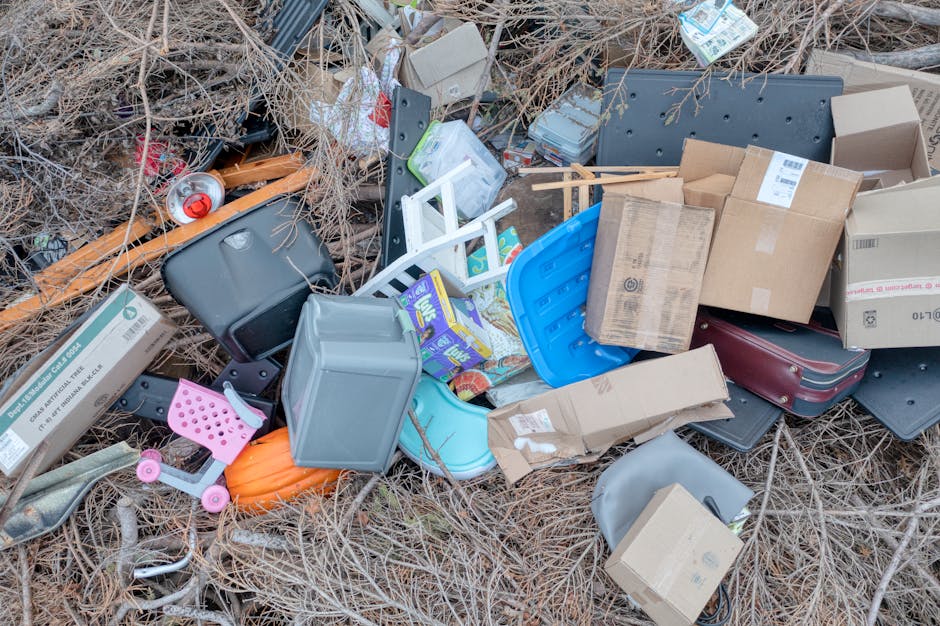
Bulky items are not just "big rubbish". They're awkward to handle, hard to store, and easy to dispose of badly if you're in a rush. In a busy part of Brent like Queensbury, that matters because streets, shared entrances, and communal bins all create extra friction. A sofa left on a shared pathway, for example, can block access. A mattress dumped beside a bin store can attract complaints very quickly. And once other people are affected, what felt like a simple clearance can become a formal nuisance issue.
The main reason people get caught out is that bulky waste is often treated like ordinary household rubbish. It isn't. It needs a plan. That may mean a booked collection, a skip, a reuse route, a storage decision, or removal by a licensed carrier. If you're also in the middle of a move, the pressure rises even more. You're trying to pack, clean, maybe hand back keys, and somehow get rid of the old bed frame too. A bit much, really.
There's also the environmental side. The better you sort bulky items, the more likely reusable furniture can be passed on, and the less ends up treated as mixed waste. If you're already thinking about a cleaner, more responsible way to clear a property, it can help to read more about recycling and sustainability practices before you decide what to keep, donate, or remove.
Key point: fines and disputes are usually avoidable when the item is handled as a planned disposal task, not an afterthought.
How bulky-item disposal in Brent (Queensbury) works
At a practical level, bulky-item disposal means getting large household items out of your space and into the right channel for collection, reuse, or treatment. The route depends on the item, its condition, and how quickly you need it gone. A dining table with a loose leg might be suitable for reuse or repair. A water-damaged sofa probably isn't. A heavy freezer will need different handling again, especially if it's still connected or not fully defrosted.
In most real-world situations, the process follows a familiar pattern:
- You identify the item and check whether it is reusable, recyclable, or only suitable for disposal.
- You measure access points, stairways, lifts, and door widths so you know what can be moved safely.
- You decide whether the item needs disassembly.
- You choose the disposal route: collection, removal service, storage, donation, or authorised disposal.
- You prepare the item so it can be moved without damaging walls, floors, or shared spaces.
- You make sure it leaves the property in the right way, at the right time.
That sounds straightforward, but the details matter. For instance, a wardrobe that seems manageable in the bedroom can become a problem on a narrow landing. And a mattress that "just needs carrying out" may still be dirty, bulky, and difficult to keep clean on a shared stairwell. If you're moving several items at once, it often helps to map the job like a removal rather than a bin run. That mindset shift alone prevents a lot of mistakes.
If the bulky item is part of a wider move, the job can be much easier when combined with a broader plan. Many people pair clearance with services such as removals in Queensbury or a dedicated man and van in Queensbury arrangement, especially when access is tight or the item is heavy enough to need proper handling.
Key benefits and practical advantages
The obvious benefit is avoiding problems, but there's more to it than that. A proper bulky-item plan gives you speed, control, and fewer surprises. That matters whether you're clearing a flat, getting a room ready for new furniture, or dealing with a last-minute move-out.
- Lower risk of fines or complaints: items are not left in the wrong place or at the wrong time.
- Safer handling: fewer chances of injury, scuffed walls, cracked tiles, or bent bannisters.
- Better time management: you're not scrambling the night before keys are handed back.
- Cleaner property presentation: especially useful for end-of-tenancy inspections or sale viewings.
- More reusable items saved: furniture in decent condition can sometimes be kept in use instead of being treated as waste.
- Less stress: you know what is happening, who is moving it, and where it is going.
There's also a hidden benefit that people often miss: decision clarity. Once you decide what counts as a bulky item, what needs dismantling, and what needs a different route, the whole house starts to feel more manageable. It's a small thing, but a crowded room can feel ten times calmer once the oversized stuff has been dealt with. Funny how that works.
If you're in the middle of a bigger declutter, this is often the moment to use a structured process. You may find our guide to decluttering methods for movers useful if you want to separate keep, donate, sell, and dispose with less second-guessing.
Who this is for and when it makes sense
Bulky-item disposal is not just for people doing a full house clearance. In Queensbury and the wider Brent area, it's relevant to a lot of everyday situations.
- Home movers: when old furniture is not worth taking to the new place.
- Tenants: when you need to clear a property before inspection or check-out.
- Landlords and agents: when a room or flat has been left with large unwanted items.
- Students: when the end of term turns up quickly and storage space is limited.
- Office occupiers: when desks, chairs, shelving, or old filing units need clearing.
- Families renovating: when a damaged sofa, bed, or appliance has to go before the work starts.
It also makes sense when a bulky item is technically movable, but not by one person safely. People often underestimate mattresses, divan bases, large mirrors, and old sideboards. They're not just heavy. They're awkward. One wrong twist on the stairs and suddenly you've got a damaged wall and a sore back, which is not a memorable weekend for the right reasons.
If that sounds familiar, it may be time to use a service designed for awkward lifting and controlled transport, such as furniture removals in Queensbury or, for more urgent situations, same-day removals in Queensbury.
Step-by-step guidance
Here's a clear, sensible way to deal with bulky-item disposal without winging it.
1) Identify exactly what needs to go
Write down the item, its size, and its condition. A bed frame, a three-seat sofa, a freezer, or a desk all create different handling needs. If you're unsure whether something can be reused, ask yourself a simple question: would it still be acceptable to somebody else in normal use?
2) Check whether it can be reused, repaired, or broken down
Not everything needs to be disposed of as waste. A bookcase might be dismantled. A sofa may have a removable frame. A table might be good enough for another home. This step saves money and helps reduce waste, but only if you're honest about condition. A wobbly chair with one missing leg is not a generous gift. It is, to be blunt, a future problem for someone else.
3) Measure access before you start lifting
Check door width, hallway corners, stairs, lifts, and the route from the room to the vehicle or collection point. In London properties, access is often the real issue, not the item itself. A quick measure now can prevent a failed move later.
4) Decide whether disassembly is needed
Some items move far more easily when taken apart first. Beds, wardrobes, and shelving often need a screwdriver, hex key, or spanner. If you need guidance for bed frames and mattresses specifically, it may help to review bed and mattress moving advice before you begin.
5) Protect the route and the item
Use covers, straps, blankets, or edge protection where needed. A single scrape on a wall can be more annoying than the whole disposal job. If you're moving soft furnishings or items you still want to keep in decent condition, it's worth reading sofa storage and protection tips as well.
6) Choose the right transport or collection method
At this stage, decide whether you're using a van, booking a collection, or combining the item with other removals. If there are multiple items or restricted access, a dedicated vehicle can make the process cleaner and safer. You can also look at a removal van in Queensbury when you need the loading space and flexibility for larger furniture.
7) Clear, clean, and leave the space tidy
Once the item is out, don't leave straps, screws, dust, or packaging behind. A proper finish matters. If the bulky item came out of a property before a handover, a deeper clean may be the difference between a smooth inspection and a problem. Our guide to prepping your home for the move can help if you're doing this as part of a wider clear-out.
Expert tips for better results
Here's where the job gets easier, not harder, if you think like a planner.
Tip 1: Separate "large" from "awkward". A bulky item is not always heavy, and a heavy item is not always bulky. A mirror may be light but fragile. A coffee table may be heavy but easy to carry. That distinction helps you choose the right moving method.
Tip 2: Don't leave disposal until the last 24 hours. It seems obvious, but a lot of people do it. The result? Limited availability, rushed decisions, and items sitting in the hallway while everyone's under pressure. Bit of a headache.
Tip 3: Use the declutter moment wisely. If one room is already being cleared, use the momentum to sort nearby items too. A clear-out becomes more efficient when you do it in clusters rather than one item at a time.
Tip 4: Keep paperwork or proof where relevant. If you are dealing with a landlord, agent, building manager, or any situation where timing matters, a simple record of what was removed and when can be very useful.
Tip 5: Think about storage if the decision is not final. Sometimes the issue isn't disposal at all. You may not be ready to throw away a piece of furniture, but you can't keep it in the flat either. In that case, short-term storage can buy you time. If that sounds like your situation, take a look at storage options in Queensbury.
Tip 6: For urgent situations, choose speed without sacrificing care. A rushed job still needs safe lifting and proper loading. If you're under time pressure, a service like the urgent move checklist for Queensbury removals is worth skimming before you book anything.
Common mistakes to avoid
Most bulky-item problems come from a few familiar errors. Avoid these and you're already ahead.
- Leaving items outside too early: especially in shared or visible areas where they can obstruct access or draw complaints.
- Assuming all furniture is easy to move: wardrobes, beds, and appliances often need more planning than expected.
- Skipping measurements: the item may fit through the room door but fail at the stair turn.
- Forgetting disassembly tools: then you end up stuck halfway through the job.
- Using the wrong lifting technique: this is where backs get strained and items get dropped.
- Mixing waste, reuse, and personal belongings together: a stressful way to lose track of what matters.
- Not confirming the disposal route: the item is ready, but the plan isn't.
A lot of people also make the mistake of underestimating how long the finish stage takes. Getting the item out is one thing. Cleaning the route, checking the walls, tightening loose screws, and making the space presentable is the bit that makes it all feel complete. You'll notice the difference straight away.
Tools, resources and recommendations
You do not need a van full of specialised kit to dispose of bulky items properly, but a few practical tools make a huge difference.
- Tape measure: for doorways, halls, lifts, and item dimensions.
- Screwdrivers and hex keys: ideal for beds, shelving, and flat-pack furniture.
- Blankets or furniture covers: to protect surfaces and corners.
- Gloves with grip: useful for cleaner handling and better control.
- Straps or rope: helpful for stabilising items in transit.
- Trolley or dolly: especially useful for heavier items on level floors.
- Labels or notes: for separating keep, donate, recycle, and dispose.
There's a simple but underrated resource too: a packing mindset. The more carefully you prepare bulky items, the less likely you are to create damage or confusion. If you're already in move mode, our article on organised packing skills ties in neatly with this approach.
For people dealing with large, awkward, or fragile pieces, it's also worth thinking about specialist handling. A piano, for example, is not a "heavy item" in the everyday sense. It needs care, balance, and proper movement planning. That's why piano removals in Queensbury exist as a distinct option rather than being treated like generic furniture.
Law, compliance, standards, and best practice
While this article is practical rather than legal advice, the compliance message is simple: dispose of bulky items responsibly, do not obstruct public or shared areas, and do not assume that an item can be left wherever you want just because it is inconvenient. In the UK, waste handling is expected to be controlled and sensible, and commercial or outsourced removal should be carried out by people who can lawfully manage the waste stream. That sounds dry, but it matters.
For homeowners and tenants, best practice usually means:
- keeping items off pavements, entrances, and fire exits;
- making sure collection arrangements are agreed in advance;
- avoiding fly-tipping or informal dumping;
- using reputable removal support when access, weight, or quantity becomes an issue;
- separating reusable items from waste where possible.
If you're dealing with a tenancy, some landlords or agents may also expect the property to be left clear of large unwanted furniture. Not always in the same way, but the expectation is common. If you're unsure, it's safer to over-prepare than to leave a bulky item behind and hope nobody notices. They will.
For removals businesses and anyone comparing providers, trust signals matter too. Look for clear handling processes, sensible safety information, and transparent service pages. For example, checking a company's health and safety policy, insurance and safety information, and terms and conditions can give you a better feel for how seriously they treat the work.
Options, methods, and comparison table
There is no single best method for everyone. The right choice depends on the item, access, budget, and urgency. Here's a simple comparison.
| Method | Best for | Pros | Watch-outs |
|---|---|---|---|
| Self-moving with a car/van | Small number of manageable items | Flexible timing, direct control | Higher risk if items are heavy or awkward |
| Booked removal support | Furniture, appliances, mixed bulky items | Safer, faster, more organised | Requires advance planning and booking |
| Short-term storage first | Items you may keep, sell, or donate later | Buys time, reduces pressure | Costs and access need consideration |
| Reuse or donation route | Usable furniture in decent condition | More sustainable, less waste | Condition and acceptance can vary |
| Dismantle and dispose in parts | Large flat-pack or modular furniture | Easier handling and loading | Needs tools and careful sorting |
In practice, many people combine methods. For example, they might store one item, dismantle another, and arrange removal for the rest. That's normal. It's rarely neat from start to finish, and that's fine.
Case study or real-world example
Imagine a couple in Queensbury preparing to leave a rented flat. They have a bed base, a tired two-seater sofa, and an old dining chair set that has been sitting in the corner collecting dust. At first, the plan is vague: "We'll sort it near the end." Then the end arrives, and suddenly the hallway looks smaller, the lift is booked, and the keys need to be returned by lunchtime.
What changed the outcome was not luck. It was structure.
They measured the hallway and realised the sofa would not turn cleanly without removing the legs. They separated the chair set: two chairs were still decent and could be kept aside, while the others were marked for disposal. The bed base was dismantled the day before. The items that could be reused were identified early, and the rest were removed in one organised run rather than three stressful attempts. They also left the flat tidy enough that the final clean was straightforward rather than exhausting.
Nothing dramatic happened. No heroics. Just a calmer process, fewer trips, and no last-minute panic. Honestly, that is the ideal outcome most people want, even if they don't say it out loud.
Practical checklist
Use this checklist before you arrange bulky-item disposal in Brent (Queensbury):
- List each bulky item individually.
- Decide whether each item is keep, donate, reuse, store, or dispose.
- Measure the item and the access route.
- Check whether it needs disassembly.
- Gather tools, gloves, and protective materials.
- Confirm where the item will go after removal.
- Make sure hallways, stairs, and exits are clear.
- Remove loose screws, cushions, or detachable parts.
- Protect floors, walls, and door frames.
- Plan timing so items are not left out too early.
- Book help if the item is too heavy, large, or awkward to manage alone.
- Finish by cleaning the space and checking nothing has been left behind.
If you are moving furniture as part of a wider relocation, it may help to use support from house removals in Queensbury or, for smaller load combinations, a man with a van in Queensbury. That can simplify the entire day rather than just the disposal bit.
Conclusion
Avoiding fines and hassle with bulky-item disposal in Brent (Queensbury) comes down to a few simple habits: plan early, measure access, choose the right route, and never leave large items where they could obstruct others or create complaints. The process is easier when you treat it like a proper move rather than a casual throw-out. That small shift in approach saves time, reduces risk, and usually makes the whole property feel calmer.
Whether you're clearing a single mattress or dealing with a full room of old furniture, the safest route is the one that fits the item, the space, and the timeline. Take your time with the decision, then move confidently. A little care here goes a long way.
Get a free quote today and see how much you can save.
And if all you manage today is one item out the door, that still counts. Progress is progress.