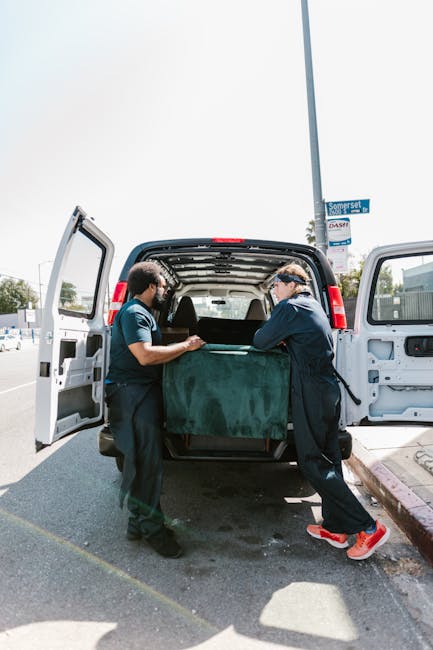
Man with van Queensbury Kingsbury Road loading and access tips
If you are planning a move or collection around Kingsbury Road, the small details matter more than people expect. A van can be perfectly sized, the route can be short, and still the job can go sideways because of a tight kerb, a parked car blocking the frontage, or a staircase that looks harmless until you are halfway up it. That is exactly where Man with van Queensbury Kingsbury Road loading and access tips come in. Done properly, they save time, reduce stress, and help protect your furniture, your building, and your schedule.
This guide is written for anyone moving in or around Queensbury, especially where Kingsbury Road meets busy local streets, narrow access points, shared parking, and the usual London mix of traffic, timing pressure, and surprise obstacles. We will cover what matters most, how a good loading plan works, what to ask before moving day, and the practical bits that make the difference between a smooth move and a long, sweaty wait with boxes on the pavement. Truth be told, those little details are often the whole game.
Table of Contents
- Why these loading and access tips matter
- How the process works on Kingsbury Road
- Key benefits and practical advantages
- Who this is for and when it makes sense
- Step-by-step guidance
- Expert tips for better results
- Common mistakes to avoid
- Tools, resources and recommendations
- Law, compliance, standards, or best practice
- Options, methods, or comparison table
- Case study or real-world example
- Practical checklist
- Conclusion
- Frequently asked questions
Why Man with van Queensbury Kingsbury Road loading and access tips Matters
Kingsbury Road is not the kind of place where you can always pull up, open the doors, and get on with it. There may be traffic, busier stretches at certain times, narrow side access, or parking that disappears just when you need it. A move can look simple on paper and then get complicated by one awkward detail. You know the sort of thing: a bay is occupied, the entrance is behind a low wall, or the lift is smaller than the sofa you measured in your head, not on the tape measure.
Loading and access planning matters because it protects three things: time, safety, and money. If the van has to double-park longer than planned, the whole day becomes more stressful. If furniture is carried the wrong way or loaded badly, damage risk rises fast. And if the route from property to vehicle is not thought through, every extra step adds effort. In a local area like Queensbury, the best moves are often not the fastest ones at first glance. They are the ones that are planned properly.
For many residents and businesses, the issue is less about distance and more about the shape of the move. A short trip across town can still need careful loading, and a single delivery to a flat above a shop can require more coordination than a full house move. That is why local knowledge helps. It is not magic, just familiarity with the street patterns, access points, and the usual pinch-points people run into on the day.
Expert summary: the smoother the access plan, the less likely you are to face rushed lifting, avoidable delays, or a half-baked loading job that needs redoing on the pavement. It sounds simple. It usually is. But simple done well makes a huge difference.
How Man with van Queensbury Kingsbury Road loading and access tips Works
A good man and van move around Kingsbury Road usually starts before anyone touches a box. The best operators will ask about the property type, floor level, parking situation, loading distance, and any access restrictions. That information decides what vehicle size is sensible, how many trips are needed, whether extra protection is needed, and how long to allow for the job.
There is a pattern to most successful moves:
- Assess the route from door to van. This includes steps, narrow hallways, shared entrances, slope, surface type, and any barriers.
- Check where the van can stop. A legal, safe stopping place is always better than a risky guess.
- Plan the load order. Heavy, sturdy items should go in first and be secured properly, with fragile pieces protected and separated.
- Keep carry distance short and clear. The less the team has to improvise, the less chance there is of bumping walls or delaying the job.
- Leave a little margin. One unexpected issue is normal. Two can happen. A good plan has some breathing room.
This is where the term "access" becomes practical rather than abstract. Access means whether the van can physically and legally get close enough to the property for a sensible load. It includes parking, turning space, doorway width, lift availability, and whether the route is clear enough for trolleys or a two-person carry. On Kingsbury Road, that can mean the difference between a neat, efficient load and a messy chain of stop-start carry runs.
One small but important point: the best access plan is often the simplest one. If a rear entrance is easier than the front, use it. If a short wait for a parking gap saves ten awkward trips from a side street, that may be worth it. Moving day rewards common sense more than bravado.
Key Benefits and Practical Advantages
When loading and access are planned properly, the advantages are immediate. You notice them in the pace of the job, but also in the mood of the whole move. Less rushing usually means fewer mistakes. Fewer mistakes usually means fewer unhappy surprises at the end of the day. Makes sense, really.
- Faster loading and unloading: direct access reduces walking time and shortens the carry route.
- Lower damage risk: fewer corners, fewer sudden lifts, fewer chances to scrape furniture or walls.
- Better use of labour: the crew can focus on safe handling instead of repeated adjustments.
- Less disruption to neighbours: shorter roadside loading windows are easier on everyone.
- More accurate scheduling: clear access details help set realistic time estimates.
- Better vehicle choice: the right van size can be matched to the site instead of guessed.
There is also a quiet but real benefit: confidence. When you know where the van will stop, which entrance will be used, and how the largest item is getting out, the day feels more controlled. That matters more than people admit. Moving is tiring enough without uncertainty hanging over the whole thing.
For smaller loads, man and van services can be especially useful because they give flexibility without the overhead of a larger removal operation. For larger or more complex moves, the same access thinking still applies. It just becomes even more important because the margin for error is tighter.
Who This Is For and When It Makes Sense
This topic is relevant to a lot of people, not just those doing a full house move. In practice, Queensbury and Kingsbury Road loading tips help anyone who needs a van to stop, load, and leave with minimal fuss.
- Flat movers: especially if there are stairs, lifts, or shared entrances.
- Homeowners moving locally: ideal when the move is short but access is fiddly.
- Students and renters: useful for smaller loads and quick turnaround moves.
- Small businesses: helpful for stock, equipment, or office items with a tight schedule.
- Online marketplace sellers: good for larger furniture or bulky item collections.
- Anyone collecting items from a shop or storage unit: access planning can save a lot of waiting.
It makes sense whenever the loading point is not straightforward. If you have a long driveway, ample parking, and ground-floor access, you may not need much planning. But if the property is on a busier stretch, has limited kerbside space, or sits in a block with shared access, a little thought upfront can save a lot later. Why leave it to chance if a few minutes of planning can change the whole feel of the move?
Commercial customers should pay even closer attention. Office chairs, archive boxes, IT equipment, and display stock tend to be more sensitive to poor handling and poor timing. A delay outside a business premises can also affect staff, customers, and deliveries. That is where sensible planning starts looking less like a nice-to-have and more like basic housekeeping.
Step-by-Step Guidance
If you want a simple way to think about loading and access around Kingsbury Road, follow this order. It is not glamorous, but it works.
1. Walk the route before moving day, if possible
Start at the property entrance and walk the route to where the van is likely to stop. Measure the obvious pinch points. Notice stair turns, low ceilings, tight gates, uneven paving, and anything that could snag a mattress, wardrobe, or washing machine. The route you imagine and the route you actually carry through are often two different things.
2. Confirm parking and stopping options
Work out where the van can stop safely and legally. If you are unsure, choose the most realistic fallback position rather than assuming you will be lucky on the day. A space that adds a short walk is often better than a last-minute double-park that creates tension and delays.
3. Match the vehicle to the job
Not every move needs a large van. Sometimes a compact or mid-size vehicle is easier to handle on tighter local streets. Other times, a slightly larger van reduces multiple trips and ends up being the smarter choice. The right answer depends on volume, access, and item size. There is no prize for bringing more van than you need.
4. Separate fragile, heavy, and awkward items
Make a clear plan for bulky furniture, breakables, and items with odd shapes. Lamps, mirrors, monitors, and glass tables should not be mixed loosely with heavier pieces. If an item is awkward, that usually means it needs its own plan, not a hopeful shove into a corner of the van.
5. Load in a deliberate order
Heavy items go in first and are braced securely. Softer or lighter items can fill gaps, but only if they will not crush or shift. Think of the van like a puzzle: stable base, protected middle, secured top. A careless load might still make it to the destination, but the rattling and shifting will tell you it was not the best idea.
6. Keep the carry path clear
Before the first lift, move mats, clutter, loose cables, and small obstacles from the route. If there is a doormat sitting halfway into the hall, it becomes exactly the kind of thing someone trips over while trying to carry a chest of drawers. Small effort, big benefit.
7. Do a final access check at the last minute
Parking can change. Traffic can change. A delivery can occupy the space you had in mind. A quick check just before arrival helps avoid surprises. That little re-check has saved more jobs than people realise.
Expert Tips for Better Results
There are a few habits that separate a decent move from a calm one. Most of them are plain common sense, but under pressure common sense tends to wander off.
- Protect the route, not just the items. Door frames, banisters, and corners often suffer before the furniture does.
- Use clear labels. If boxes are marked by room or priority, unloading becomes far quicker.
- Keep essential items apart. Documents, chargers, keys, and kettle basics should not disappear under ten boxes of books.
- Allow a buffer for stairs. A second-floor move with a narrow landing often takes longer than you think.
- Take photos of tricky access points. A quick photo of the entrance, parking bay, or stairwell can help plan the day.
- Think in sequences. If the first item out blocks the hallway, you have created work for yourself. Better to stage things in order.
In our experience, a little foresight beats a big last-minute rush nearly every time. And yes, people do underestimate mattresses. Very often. They look harmless until you turn them sideways and discover the corridor says otherwise.
Another good habit is to keep communication short and precise. If the van arrives and there is a problem, say exactly what it is: "The front bay is occupied, use the side entrance," or "The lift is out, we need a stair carry plan." That clarity helps everyone move faster.
Common Mistakes to Avoid
Most access problems are avoidable. Not all, but most. The usual mistakes are easy to spot once you know them.
- Assuming the van can stop right outside. Streets do not always cooperate.
- Forgetting about stairs, lifts, and corners. The item may fit in the room but not in the journey to it.
- Overloading the first trip. Too much in one go often means more lifting, not less.
- Leaving parking until the day itself. That is when avoidable stress starts.
- Ignoring weather and surface conditions. Wet paving, ice, or sloped entrances can change handling quite a bit.
- Not protecting edges and floors. Small scratches can turn a smooth move into an annoying one.
Another mistake is thinking access is only the mover's problem. It is not. If you are the customer, the more details you share, the better the outcome usually is. A short message about gate width or parking restrictions can save a lot of wasted motion. Let's face it, nobody enjoys carrying a wardrobe back to the van because the stair turn was too tight the first time.
Tools, Resources and Recommendations
You do not need specialist kit for every move, but a few practical tools make life easier. The best choice depends on the type of item and how awkward the property is.
| Tool or item | What it helps with | Best for |
|---|---|---|
| Furniture blankets | Protecting corners and surfaces | Wardrobes, tables, cabinets |
| Straps or tie-downs | Keeping loads stable in transit | Heavy or mixed loads |
| Load bars | Reducing movement in the van | Longer journeys or partial loads |
| Wheeled trolley | Reducing carry strain | Boxes, appliances, flat surfaces |
| Gloves with grip | Better handling and protection | General lifting |
| Door and floor protectors | Reducing damage to the property | Narrow halls, busy entrances |
On the planning side, a simple phone checklist is often enough. Take photos of the access route, note parking restrictions, and write down item dimensions for anything bulky. If you are moving from a flat, also note whether the lift is working and how wide the doors open. Boring? Maybe. Useful? Absolutely.
It can also help to use local route knowledge. If you know Kingsbury Road is likely to be busier at a certain hour, build that into your schedule rather than hoping it will clear itself. A move that starts 20 minutes later than planned can still go smoothly if the access plan is realistic from the beginning. That is the trick, really.
If your move also involves packing, decluttering, or furniture collection, useful supporting services such as packing and unpacking services, furniture pick up, and recycling and sustainability can make the whole process less chaotic.
Law, Compliance, Standards, or Best Practice
For local loading and access work, legal and best-practice considerations are worth taking seriously. You do not need to become a traffic law expert, but you do need to avoid obvious problems. Parking restrictions, loading bans, dropped kerbs, permit areas, and access limitations can all affect where and how a van can stop.
In London, it is sensible to check any local restrictions in advance and not assume that a short stop is automatically acceptable. A driver should avoid blocking emergency access, causing danger to pedestrians, or stopping in a way that creates a foreseeable problem. If a building has rules about loading bays, lift booking, or time windows, those should be followed too. The same goes for shared blocks, estates, and managed properties where access arrangements can be more specific than they first appear.
Best practice also means protecting people as well as property. Safe lifting, sensible team sizes, and clear carry routes matter. If an item is too awkward for one person, treat it as a two-person lift. If a stairwell is narrow or the object is heavy, do not try to win an imaginary toughness contest. No one needs that.
For larger or more organised moves, reviewing a provider's policies can be helpful. A company that publishes clear guidance on health and safety policy, insurance and safety, and terms and conditions usually makes expectations easier to understand. That is a good sign, not a box-ticking exercise.
Options, Methods, or Comparison Table
Different jobs call for different loading approaches. There is no one-size-fits-all answer, especially around a street like Kingsbury Road where access can vary from one property to the next.
| Method | Best for | Pros | Limitations |
|---|---|---|---|
| Kerbside loading | Short, clear stops with nearby access | Fast, simple, efficient | Depends on legal stopping space |
| Rear or side access | Properties with usable alternative entrances | Can reduce carry distance | May need keys or permission |
| Stair carry from entrance | Flats and upper floors without lift access | Practical when no lift is available | Slower and more physically demanding |
| Split loading | Busy streets or mixed-size loads | Flexible and adaptable | Can take longer if poorly organised |
For many local moves, split loading is the unsung hero. It means loading the most essential or bulky items first, then finishing with the rest once access is confirmed and the van position is settled. It is not flashy, but it is sensible. And on a tricky street, sensible usually wins.
Case Study or Real-World Example
Picture a small flat move near Kingsbury Road on a weekday morning. The customer has a sofa, a bed base, eight boxes, a TV, and a couple of bags of miscellaneous household bits that somehow multiplied overnight. The street is active, one bay is already taken, and the front entrance opens onto a narrow path with a slight step down to the pavement.
Instead of rushing, the mover checks the side access first, confirms that the rear route is clear, and identifies a stopping point that keeps the carry distance short without creating a parking headache. The sofa is wrapped, the TV is set aside with soft protection, and the heavier items are loaded first. The boxes then fill the remaining space neatly. Nothing fancy. Just decent planning.
What changed the job was not speed for speed's sake. It was reduced friction. There were fewer pauses, fewer "let's just try this" moments, and less chance of hitting door frames or double-handling items. The customer saw the benefit immediately: the move felt calm. Not effortless, because moves never are. But calm enough to breathe, make tea later, and get on with the rest of the day.
Practical Checklist
Use this checklist before moving day, or even the night before if the job is urgent.
- Confirm the exact address and entrance to use.
- Check parking or stopping options near Kingsbury Road.
- Measure the largest furniture items.
- Note stairs, lifts, gates, low ceilings, and tight corners.
- Clear the carry route inside the property.
- Protect floors, doors, and fragile edges.
- Separate heavy, fragile, and awkward items.
- Keep essentials accessible and clearly marked.
- Allow extra time for traffic, parking, or access delays.
- Share any special instructions before the van arrives.
If you want to make things even easier, compare your move with related local information such as Queensbury streets and parking access guidance, permit and parking clash tips, and Queensbury Station loading tips. These are especially helpful if your move is happening in a busier pocket of the area.
Conclusion
Good loading and access planning around Kingsbury Road is not about making a move complicated. It is about removing the little obstacles before they become big ones. A clear stopping point, a sensible route, the right order for loading, and a few minutes of planning can transform the whole experience. That is especially true in Queensbury, where local conditions can change quickly from one street to the next.
If you remember only one thing, let it be this: the best move is usually the one that feels quietly organised. No drama, no frantic rerouting, no scratched walls at the end of the day. Just a proper plan, a steady pace, and a team that knows how to keep things moving without making a fuss about it.
Get a free quote today and see how much you can save.
And if you are still planning the details, take a breath. A well-prepared move is absolutely within reach, even on a busy London road.
Frequently Asked Questions
What does a man with van service usually include for Kingsbury Road loading?
It typically includes a vehicle, a driver or two-person team, loading help, transport, and unloading at the destination. The exact level of help depends on the provider and the job details, so it is worth confirming what is included before booking.
How do I know if my Kingsbury Road property has difficult access?
Look for narrow hallways, stairs, tight gates, shared entrances, limited parking, or any route where large furniture has to turn sharply. If you need to pause and think about whether a sofa will fit, that is usually a sign access needs planning.
Should I reserve parking before a move?
If parking is tight or the street is busy, it is sensible to plan a legal stopping point in advance. Whether that means a permit, a bay, or another arrangement depends on the location, but leaving it to luck is rarely a good idea.
What size van is best for a local Queensbury move?
It depends on the amount of furniture, the item sizes, and the access route. A smaller van can be easier on tighter streets, while a larger van may reduce trips. The best choice is the one that balances access and volume sensibly.
How can I make loading faster on the day?
Clear the path, label boxes, separate fragile items, and place the most important items near the exit. Small things matter here. Even moving shoes out of the way can shave off awkward seconds and reduce trip hazards.
What items are hardest to move through tight access?
Sofas, mattresses, wardrobes, fridge-freezers, and glass or mirrored items are usually the most awkward. They are bulky, hard to turn, and easy to damage if the route is not checked first.
Do I need special help for stairs?
If the move involves multiple flights, narrow landings, or heavy items, extra help or a two-person carry is often the safer choice. It is not about overreacting. It is about avoiding strain and keeping the move under control.
What should I tell the mover before they arrive?
Share the exact address, access point, parking situation, floor level, item sizes, and any restrictions such as timed entry or lift booking. The more accurate the details, the easier it is to plan a smooth arrival.
Are there local rules I should worry about?
Yes, there may be parking restrictions, loading limits, or building rules that affect access. It is wise to check what applies to your property and not assume a short stop is automatically fine. Local conditions can be surprisingly specific.
Can a man with van service help with furniture collection only?
Yes, many people use this type of service for single-item or partial-load collections. That can be a good fit for marketplace purchases, furniture pickups, or dropping off items that are too large for a car.
How far in advance should I plan loading and access details?
Ideally as soon as you know the moving date. Even a quick early check of parking, access, and item dimensions can prevent last-minute stress. If the move is urgent, do it the day before at the latest.
What happens if the parking spot I planned is taken?
Have a fallback option ready. That might mean a nearby legal bay, a short waiting strategy, or a different entrance. A backup plan keeps the move going instead of turning a small problem into a long delay.
Is it worth using packing or decluttering help first?
Often, yes. If access is tight, reducing the number of awkward items can make a big difference. Services such as packing support or decluttering can help the move feel much more manageable, especially in flats or older properties.
How do I avoid damage during loading?
Use protective wrapping, keep the route clear, lift properly, and load items in a stable order. Damage tends to happen when people rush or guess. A little patience at the start usually pays for itself by the end.