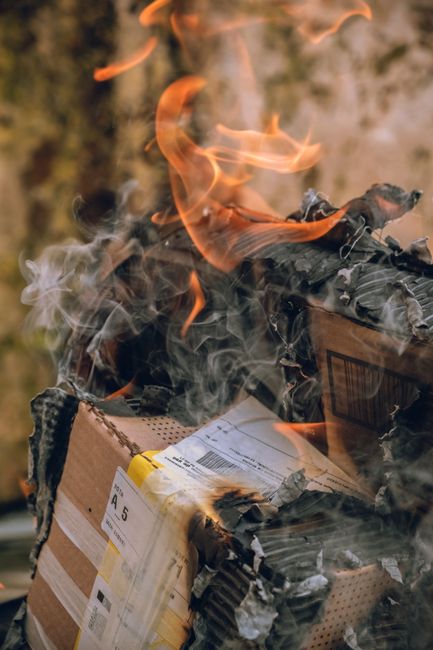
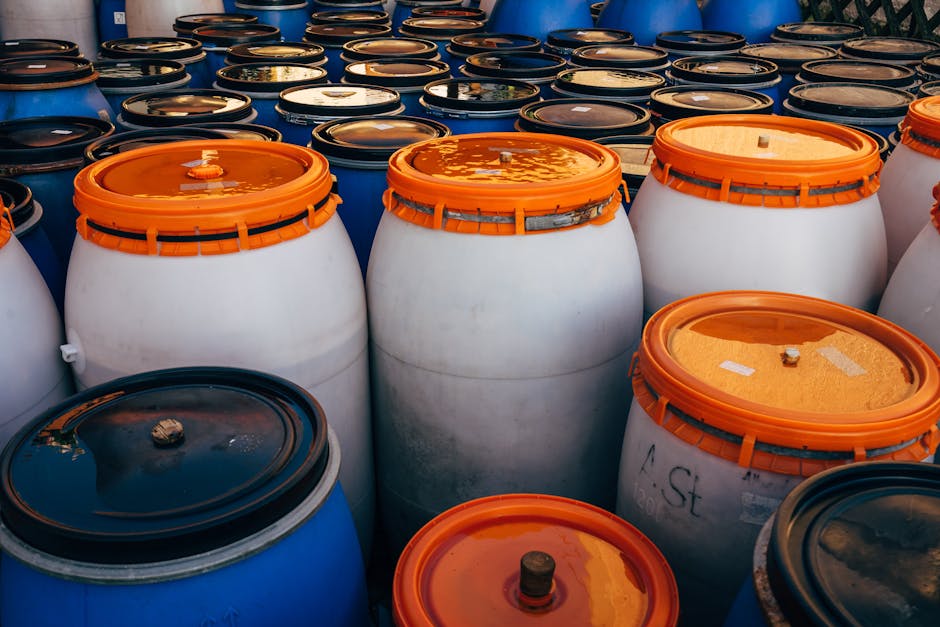
Hazardous waste rules for movers in Queensbury (what's banned)
If you are planning a move in Queensbury, one question matters more than most: what can a mover actually take, and what is banned? Hazardous waste rules for movers in Queensbury are easy to overlook until the day before loading, when you are staring at half-used paint tins, a leaking cleaning bottle, an old battery pack, and maybe a freezer that has seen better days. Truth be told, that is exactly when problems start.
This guide explains the practical side of hazardous waste rules for movers in Queensbury (what's banned), in plain English. You will see what removal teams normally refuse, why they refuse it, how to sort items safely before moving day, and what to do with awkward goods that should not end up on a van. We will also cover the little traps that catch people out in flat moves, student moves, and rushed same-day jobs.
If you are clearing a whole property, a few smart habits go a long way. For example, a lot of the stress disappears once you have already decluttered properly and packed with a bit of structure. If that sounds familiar, the guides on decluttering before a move and organised packing techniques can help you get the non-hazardous side under control first.
Table of Contents
- Why hazardous waste rules matter
- How the rules work in practice
- Key benefits and practical advantages
- Who this is for and when it makes sense
- Step-by-step guidance
- Expert tips for better results
- Common mistakes to avoid
- Tools, resources and recommendations
- Law, compliance, standards and best practice
- Options, methods and comparison table
- Case study or real-world example
- Practical checklist
- Conclusion
- Frequently asked questions
Why Hazardous waste rules for movers in Queensbury (what's banned) Matters
Hazardous waste is not just another category of unwanted clutter. It is the kind of material that can leak, ignite, corrode, poison, or react badly when moved the wrong way. That is why removal teams tend to draw a hard line around certain items. The rules protect the crew, your home, other people on the road, and the property where your belongings are stored or delivered.
In Queensbury, many moves happen in tight streets, flats with stair access, shared entrances, and properties with limited waiting space. That makes a simple spill or damaged container a bigger issue than it would be in a large open driveway. A tiny amount of liquid in the back of a van can create a nasty smell, damage flooring, or force the whole load to stop. Nobody wants that at 8.30 on a wet Tuesday morning.
There is also a commercial reality. Movers are expected to transport household goods safely and lawfully, not to act as a hazardous waste collector by accident. If an item is banned, it is usually because the item needs specialist handling, separate disposal, or a different transfer route. Not a shrug and a prayer.
A good rule of thumb: if an item has a warning label, contains a pressurised canister, stores energy, leaks liquid, or is likely to react under pressure or heat, pause before loading it. You are probably in the danger zone already.
How Hazardous waste rules for movers in Queensbury (what's banned) Works
Most moving companies in the area work from a simple principle: if something could harm people, damage the vehicle, or create disposal problems, it should be excluded unless it has been specifically agreed in advance and handled under the right conditions. That is the practical side of the rules, even when the wording varies from one company to another.
Movers usually sort items into three broad buckets:
- Normal household items that can be carried as part of a standard move.
- Controlled items that may be moved only if empty, safe, and properly prepared.
- Banned items that should stay off the van entirely.
The tricky bit is that some things look harmless until you inspect them. An empty-looking spray can may still contain pressure. A battery that "seems dead" can still short out. A tin of paint can leak on a warm day and smell for weeks. If you have ever opened a storage box and been hit by that half-chemical, half-dusty smell, you know exactly what a problem item feels like before you even pick it up.
For more general moving prep, it helps to understand the rest of the chain too: loading order, box labelling, and how the moving day itself is sequenced. A practical overview like this house move planning guide is useful when you are trying to keep the day calm and sensible.
What is usually banned?
While policies differ slightly, these are the items movers most commonly refuse because they fall into a hazardous or regulated category:
- Petrol, diesel, paraffin, fuel cans and other flammables
- Gas bottles and cylinders, including partially used ones
- Paint, solvents, thinners, varnish and strong adhesives
- Cleaning chemicals, bleach concentrates and corrosive liquids
- Batteries, especially large lithium batteries and damaged units
- Fire extinguishers and pressurised containers
- Aerosols that are not fully empty
- Asbestos-containing materials
- Medical sharps and clinical waste
- Unknown powders, unlabeled chemicals and chemical waste from workshops
Some movers may also refuse refrigerators or freezers if they have not been safely prepared. The unit itself is not always hazardous waste, but old refrigerant systems, trapped gases, oil residue, and awkward handling risks mean they need care. If you are storing or disposing of one around a move, it is worth reading the practical advice in freezer storage during downtime so you do not accidentally create a smell or safety issue.
Why some items are refused even if they look small
Size is not the issue. A single leaking bottle of solvent can be more troublesome than a sofa. A small aerosol can, dropped and punctured, can cause a very bad day. Movers are thinking about what happens inside a moving van: vibration, pressure, stacking, heat, and the fact that one broken item can affect everything else on board. That is why the rules are strict.
Key Benefits and Practical Advantages
Following the banned-item rules is not just about avoiding trouble. It makes the whole move smoother. Fewer surprises, less last-minute shuffling, less risk of damage. That is the real prize.
- Safer lifting and loading because the crew is not handling unpredictable substances.
- Cleaner van space with no leaks, fumes, or staining.
- Faster move day because questionable items are already separated.
- Lower chance of refusal at the kerb when the crew arrives and checks the load.
- Better protection for furniture since chemicals and soft furnishings should never travel together loose in the same stack.
There is another benefit people sometimes miss: once you remove hazardous waste from the pile, you get a clearer view of what is actually moving. That can change van size, loading time, and even whether you need storage. If you are comparing move options, the overview on removal services is a sensible place to understand the wider job shape before booking.
Expert summary: treat hazardous items as a separate mini-project, not as a last-minute add-on. That one change prevents most moving-day headaches.
Who This Is For and When It Makes Sense
These rules matter to almost everyone moving in Queensbury, but some people need to pay extra attention.
- Families clearing garages, sheds and under-stairs storage.
- Students with a mix of household clutter, old cleaning products and forgotten batteries in drawers.
- Flat movers where access is tight and there is less room for sorting on site.
- Office movers dealing with printer toner, batteries, old IT equipment, and archived supplies.
- Landlords and agents handling end-of-tenancy clearances.
- Anyone using same-day removals because there is no time to discover banned items once the van is waiting outside.
If you are moving a compact property, the issue can show up in small but annoying ways: a "single" cupboard that turns out to hold three half-used tins, a battery drawer, and a bottle of drain cleaner. That is exactly the sort of thing that sends a quick move sideways. For people in flats, the guide to safe staircase moves is handy too, because hazardous items and awkward access never mix well.
And if you are handling a time-sensitive move, especially one with limited parking or a narrow street, the related pieces on urgent move checklists and parking permit solutions can save a surprising amount of friction.
Step-by-Step Guidance
Here is the simplest way to handle hazardous waste rules before a move. Not glamorous, but it works.
- Walk through every storage area. Check kitchens, bathrooms, utility rooms, garages, sheds, lofts and desk drawers.
- Separate the risky items immediately. Put banned or doubtful items in one clearly marked area away from the rest of the move.
- Read labels, don't guess. If a container is unlabeled or partly rubbed off, treat it cautiously.
- Check whether it is empty, sealed, or damaged. Damaged batteries, split tins, and dented aerosols are the ones that bite you later.
- Ask the mover in advance. Do not assume a company will accept an item simply because it looks ordinary.
- Arrange separate disposal or specialist handling. If something is banned, remove it from the moving plan before the van arrives.
- Keep liquids upright and isolated until dealt with. If you are not sure, do not stack them with linens or paper goods.
- Do a final sweep on the day before loading. This one catches the forgotten items that always seem to lurk in the back of a cupboard.
One small practical tip: use a different-colour bag or box for "do not move" items. It sounds basic, almost too basic, but clear visual separation prevents the classic mistake where someone innocently carries the wrong box to the door.
If you want your move to feel more manageable overall, the packing and prep guidance in prepping your home for the move can help you finish the non-hazardous parts cleanly, which makes the banned-item check much easier.
Expert Tips for Better Results
After enough moves, a pattern becomes obvious: the people who stay calm are not necessarily the most organised in every sense. They are just a bit more ruthless about what should not travel with them.
- Start with the "unknowns". Old loft boxes and garden cupboards are often the worst offenders.
- Deal with batteries early. Loose batteries in a kitchen drawer are common, and they should be checked before they roll around with tools or keys.
- Keep cleaning chemicals separate from food storage items. It sounds obvious. Still gets missed.
- Do not decant chemicals into drink bottles or food tubs. That is a serious safety problem and a nasty one to explain later.
- Use gloves for suspect containers. If a cap is crusted, sticky or broken, don't touch it bare-handed.
- Take photos of unclear items. If a label is damaged, a photo helps you describe it accurately when asking for advice.
One more thing: if the move involves bulky items like a fridge, piano, mattress or large sofa, do not let those distract you from the hazardous bits. People get so focused on the heavy stuff that they miss the little chemical items. It happens all the time. A bit embarrassing, but very common.
For heavier or more delicate household pieces, these guides can help keep the rest of the move under control: moving a piano with care, moving a bed and mattress, and solo heavy lifting advice when you are shifting awkward loads on your own.
Common Mistakes to Avoid
Let's face it, most banned-item problems are not dramatic. They are just small mistakes made in a rush.
- Leaving hazardous items in "general clutter" boxes. That is the easiest way to make a safe move unsafe.
- Assuming "empty" means safe. Some containers still hold residue or pressure.
- Forgetting garden and shed waste. Paint, pesticides, fuel and old DIY materials often live there quietly for years.
- Trying to hide banned items in normal boxes. Movers notice weight, smell and container shape very quickly.
- Not checking whether an appliance is actually ready to go. A freezer or fridge should be defrosted and cleaned properly if it is being moved; otherwise it can create water damage and smells.
- Leaving the sorting to moving day. That is when you are busiest and least able to think clearly.
A lot of stress also comes from underestimating access. If a van is waiting outside and you still have to inspect every cupboard, the pace gets frantic. That is when people make odd decisions. We have all seen the "just take it" mentality. Not a great plan.
For long-distance or busy-area moves, the practical notes on narrow roads and local access and loading bay spots can help you think about the whole move, not just the boxes.
Tools, Resources and Recommendations
You do not need fancy kit to deal with hazardous waste properly. A few simple tools are enough.
- Strong gloves for handling dusty, sticky or leaking containers.
- Marker pen and tape to label items clearly.
- Plastic trays or tubs to keep liquids upright and contained.
- Sealable bags for batteries or loose small items, provided they are stored safely and separately.
- A torch for checking lofts, cupboards and under sinks properly.
- A phone camera to record unclear labels or damaged containers.
There are also a few sensible service pages worth knowing about when your move needs a wider plan. For example, if you are comparing the support level you need, removal services in Queensbury, removal companies in Queensbury, and man and van options can be useful starting points. If the job involves only a few items, a man with a van arrangement may be enough. If it is larger, a fuller moving setup may suit you better.
If you are trying to keep costs sensible, it helps to know the quote structure early. The page on pricing and quotes is useful context before you book anything, while recycling and sustainability gives a better picture of how unwanted goods are typically handled responsibly.
Law, Compliance, Standards, or Best Practice
For movers, compliance is mostly about refusing unsafe loads, following accepted handling practice, and making sure waste is dealt with through the right route. In the UK, hazardous waste is a regulated area, and movers should not guess, improvise or accept items that they are not equipped to carry safely.
Best practice usually means:
- Separating hazardous items before the move begins
- Refusing unknown or unlabeled chemicals
- Keeping loads secure and upright where liquids are involved
- Protecting people from fumes, sharp edges and leaks
- Using suitable disposal channels for banned items rather than putting them into general household load space
If a mover says an item is banned, that is not them being awkward. Usually it is risk control. There may be insurance implications too, because damage from spills or contamination is not the sort of surprise anybody wants. The safer approach is simply to ask in advance and respect the boundary.
It is also worth reading a company's safety commitments before booking, especially if your move is complicated or includes fragile access. The pages on health and safety policy and insurance and safety are good indicators of how seriously a mover approaches risk.
Options, Methods, or Comparison Table
When you find a banned item, you generally have three options: remove it yourself through the correct disposal route, ask whether it can be handled as a separate special case, or leave it behind to be dealt with before the moving day. Here is a simple comparison.
| Option | Best for | Pros | Drawbacks |
|---|---|---|---|
| Separate disposal before the move | Paint, batteries, chemicals, old aerosols | Clears risk early, avoids loading delays | Needs extra planning |
| Special arrangement with the mover | Occasional items that may be accepted under strict conditions | Convenient if the company agrees | Not always available, may still be refused |
| Leave it out of the move | Anything clearly banned or doubtful | Simplest and safest | Requires you to solve disposal separately |
For most people, the third option is the least stressful. If you are unsure, that is usually a sign the item should not be bundled with the rest of your belongings. A boring answer, perhaps, but the right one.
Case Study or Real-World Example
A typical Queensbury flat move might start with a simple request: one-bedroom contents, a few boxes, a sofa, a bed, and a couple of bags from the kitchen. The list sounds tidy enough. Then the pre-move sweep begins.
Behind a pantry door, there is a half-full tin of paint from a long-finished repair. Under the sink, a bottle of bleach concentrate and two old aerosols. In a drawer near the hall, a mix of loose batteries and a broken charger. In the same home, a freezer still needs sorting because it was unplugged only a day earlier. Nothing dramatic. Just enough awkwardness to slow the day down if nobody checks.
Once those items are separated out, the moving team can load the furniture and boxes without hesitation. The customer is not scrambling, the van stays clean, and the whole job feels more controlled. That is the kind of move people remember afterwards: not because it was exciting, but because nothing went wrong. Quiet success, which is underrated really.
In our experience, the biggest win is usually not removing the dangerous items themselves. It is spotting them early enough that they do not become part of the moving-day conversation at all.
Practical Checklist
Use this checklist the day before your move. If you have children, a busy work week, or a lot of cupboard clutter, run through it twice. No shame in that.
- Check under sinks for cleaning products, bleaches and drain chemicals
- Inspect sheds, garages and cupboards for paint, thinners and fuel
- Look for batteries, chargers and battery packs in drawers and boxes
- Remove aerosols that are not fully empty
- Identify gas bottles, cylinders or pressurised containers
- Separate any damaged, leaking or unlabeled containers
- Ask the mover whether any item needs advance approval
- Prepare a clearly marked area for items that will not be transported
- Keep hazardous items away from textiles, paper and food items
- Confirm that fridges or freezers are fully prepared if they are being moved
- Do a final walk-through before the crew starts loading
Quick takeaway: if you cannot confidently say what an item is, what it contains, and whether it is safe to move, do not put it on the van.
Get a free quote today and see how much you can save.
Conclusion
Hazardous waste rules for movers in Queensbury are really about common sense backed by safe working practice. The banned list exists because some items do not belong in a moving van at all, no matter how small, ordinary or "probably fine" they look. Once you separate those items early, the rest of the move becomes easier, cleaner and less stressful.
If you remember just one thing, make it this: deal with chemicals, batteries, aerosols, gas bottles and other risky goods before moving day, not during it. That single habit saves time, protects people, and keeps the move from turning into a last-minute puzzle. And honestly, that is enough of a win for one day.
For the rest of your move, keep things simple, ask questions early, and give yourself a bit of breathing room. It really does make a difference.
Frequently Asked Questions
What counts as hazardous waste for movers in Queensbury?
It usually includes anything flammable, corrosive, toxic, pressurised or chemically unstable, such as paint, fuel, batteries, gas cylinders, aerosols and strong cleaning products.
What items are most commonly banned from removal vans?
Movers often refuse fuel, gas bottles, wet paint, solvents, thinners, bleach concentrates, damaged batteries, asbestos-containing materials, and non-empty aerosols.
Can movers take empty paint tins or empty aerosols?
Sometimes, but only if they are genuinely empty, safe and accepted by the company. If there is residue, pressure or leakage risk, they are usually refused.
Will a moving company take old batteries?
Many will not transport loose or damaged batteries as part of a standard house move. Batteries are often treated separately because they can short-circuit or overheat.
Are fridges and freezers banned?
Not always. The appliance itself is usually not the issue, but it must be properly prepared. Movers may refuse a unit that is leaking, badly damaged, full of water or otherwise unsafe.
What should I do with banned hazardous items before moving day?
Separate them from the rest of your belongings, keep them clearly labelled, and arrange the correct disposal or specialist handling before the van arrives.
Do movers in Queensbury need to know about hazardous items in advance?
Yes, absolutely. Letting the company know in advance helps them decide whether they can carry the item, how it should be prepared, or whether it must stay out of the move.
Why do movers refuse small items like aerosols or batteries?
Because small items can still leak, explode, overheat or contaminate other belongings. The size does not remove the risk.
Can I hide a hazardous item inside a normal box if it is sealed well?
No. That is unsafe and may lead to refusal, contamination or damage. If an item is banned, it should be separated properly rather than concealed.
What if I only discover a banned item on moving day?
Tell the mover immediately and keep the item out of the load. It is better to delay one box than to risk the whole van or the rest of your belongings.
Are office moves subject to the same restrictions?
Yes, often more so. Offices may include batteries, printer consumables, cleaning fluids, electronics and confidential waste, so the same care applies.
How can I avoid problems with hazardous waste during a move?
Sort cupboards, sheds and drawers early, label anything doubtful, keep chemicals apart from normal goods, and ask the mover about anything you are not sure about.
Does hazardous waste affect move costs?
It can, indirectly. If banned items are found late, the move may be delayed or rescheduled. Planning ahead helps avoid extra time and stress, which is usually where the real cost appears.
Where can I read more about preparing for a smooth move?
Useful next reads include practical packing, decluttering and lifting guidance, plus the pages on packing and boxes and removals in Queensbury if you want to round out your moving plan.